Comprehensive Guide to Choosing a Labia-Entry Sleeve
Choosing a personal wellness accessory often comes down to comfort, fit, and materials rather than appearance alone. A labia-entry sleeve is one of those items that benefits from careful comparison because small design differences can strongly affect usability. A practical approach works best, especially since consumer safety groups have long emphasized material quality and clear product labeling as part of everyday body-care decisions.
Material Quality & Body-Safe Design
Material choice matters most — skin‑contact products should be easy to clean, non‑porous when possible, and made from ingredients widely recognized as body‑safe.
Medical and consumer health sources often point to silicone as a preferred option in intimate products because it is durable and simple to maintain. The U.S. Food and Drug Administration (FDA) notes that silicone is broadly used in medical and consumer applications, which explains its popularity in personal‑care tools.
A soft, flexible texture can improve comfort, but softness alone is not enough. Products with unclear coatings, strong odors, or vague material descriptions are harder to trust over time. A reliable product page should state:
- Exactly what the sleeve is made from
- Whether it is phthalate‑free
- How it should be cleaned
✅ These details are not small print — they shape daily safety and long‑term longevity.
Fit, Shape & Everyday Comfort
Fit is one of the most practical parts of choosing a sleeve — comfort depends on shape as much as on size.
- A design that is too tight can feel restrictive.
- One that is too loose may not stay positioned as intended.
Consumer health and ergonomic studies show that a better physical match improves user satisfaction. Design should serve the body, not complicate it.
Shape also affects how naturally a product is worn and removed:
- Curved edges
- Smoother seams
- Thoughtful entry points
These features reduce friction and make the experience more predictable. Even small differences in contour can determine whether the item feels discreet, stable, or awkward in normal use.
Cleaning, Storage & Long‑Term Maintenance
Maintenance is one of the strongest clues to a product’s real quality.
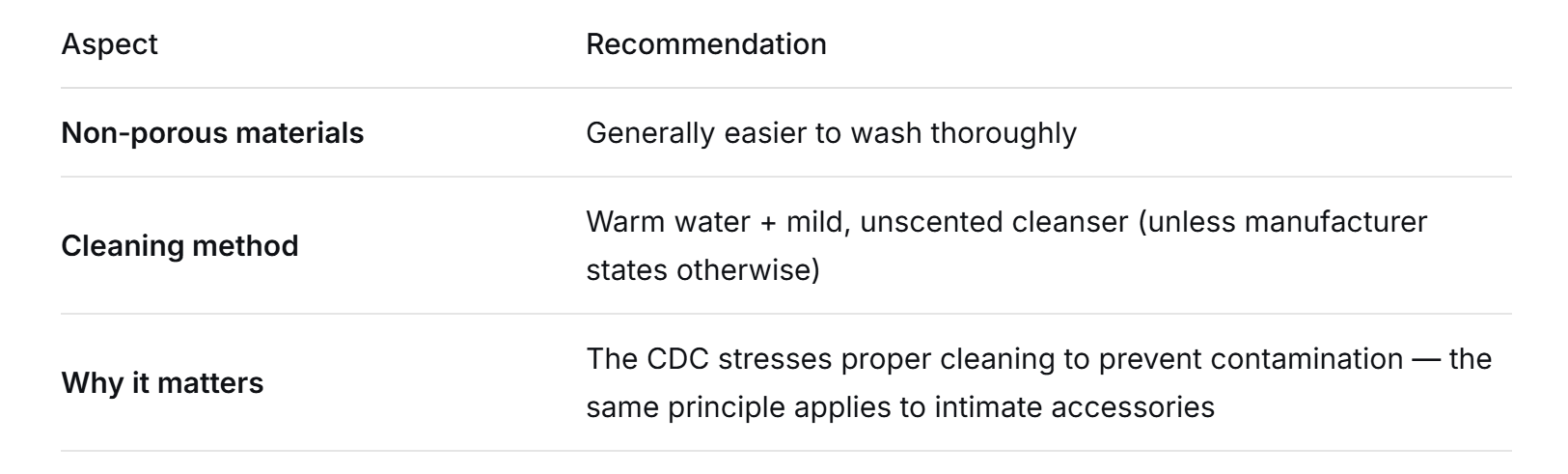
Storage matters just as much as washing
- Keep the sleeve in a clean, dry pouch or container
- Protect the surface from dust and contact with degrading materials
A product that is easy to dry and store fits better into a regular routine. That practical advantage often matters more than decorative packaging — especially over months of use.
Discreet Use & Noise Considerations
Discretion can matter for many reasons — shared living spaces, general comfort around personal items.
A well‑designed sleeve should not draw attention through:
- Excessive noise
- Awkward bulk
- A texture that catches on fabrics
Consumer reviews often mention that subtle choices — like a smoother outer surface or better structural balance — make a noticeable difference in everyday handling.
Weight is another factor people sometimes overlook
- A lighter product may feel easier to manage, but it still needs enough structure to remain stable.
- The best option combines manageable size with dependable construction.
This balance is similar to what engineers aim for in many consumer goods: simple, durable, and easy to live with over time.
How to Compare Product Details
Shopping wisely starts with reading product descriptions for specifics — not relying on broad claims.
A useful listing should explain:
- Dimensions
- Material composition
- Cleaning instructions
- Compatibility with any intended accessories
📌 The Consumer Product Safety Commission encourages shoppers to look for clear product information — good labeling reduces confusion and supports better decisions.
What else to check
- Warranty language – reveals how much confidence the seller has in the item
- Return policies – transparency signals better quality control
If the description avoids concrete details or uses vague phrases, that is worth noting. A product with clear documentation is more likely to deliver a consistent experience than one built around marketing language alone.
Sensitivity, Allergies & Skin Considerations
Skin sensitivity is a real‑world issue — especially for products that sit close to delicate tissue.
- Fragrances, dyes, and low‑grade rubber compounds can sometimes lead to irritation.
- Minimalist formulas tend to be a safer starting point.
✅ The National Eczema Association has repeatedly highlighted the value of fragrance‑free and hypoallergenic approaches in body‑contact products — guidance that is relevant far beyond ordinary skincare.
Practical advice
- Test a product gently and pay attention to material reactions
- Read ingredient lists and avoid unnecessary additives
Products that keep the design simple often cause fewer concerns and are easier to maintain in the long run.
Brand Transparency & User Guidance
A dependable brand provides more than attractive photos. It explains:
- How the product works
- What it is made from
- What to avoid during cleaning
- How long it should reasonably last under normal use
The International Organization for Standardization (ISO) has long published guidance on quality management. While not every consumer product is formally certified, the spirit of that approach favors consistency and clear process control.
Why user guidance matters
User guidance is especially valuable when a product involves close‑contact personal care.
- Instructions that are easy to follow reduce misuse
- A brand that offers practical information — rather than vague promises — inspires more trust
This is often the difference between a purchase that becomes part of a routine and one that ends up unused.
Closing Thoughts on Choosing Well
The best choice balances:
- ✅ Body‑safe materials
- ✅ A thoughtful fit
- ✅ Easy cleaning
- ✅ Clear product information
For a labia‑entry sleeve, these basics matter more than flashy presentation or oversized claims.
A good product should feel:
- Simple to understand
- Easy to maintain
- Comfortable and discreet in real daily life
The most useful reference points are often the most practical ones:
- How the item is made
- How it is cleaned
- How it fits into a normal routine without adding stress
Guidance from consumer and health organizations — such as the FDA, CDC, Consumer Product Safety Commission, and National Eczema Association — can be useful when sorting through descriptions.
🧠 The strongest decision is rarely the most dramatic one. It is the one that feels sensible, durable, and straightforward over time.
References
U.S. Food And Drug Administration
https://www.fda.gov/
Centers For Disease Control And Prevention
https://www.cdc.gov/
Consumer Product Safety Commission
https://www.cpsc.gov/
National Eczema Association
https://nationaleczema.org/