Renting an Apartment in the USA: A Simple Guide to Costs, Lease Terms, and Smart Search
Renting an apartment is a common choice in the United States because it gives people flexibility. It can be useful for students, workers, families moving to a new city, or anyone not ready to buy a home.
Apartments also offer different options. Some renters want luxury buildings with gyms and parking. Others look for affordable apartments, pet-friendly rentals, short-term leases, or apartments close to work and public transportation.
-1785742189135afvk2k6d5h5.png)
Market Trends and Rental Demand
Rental demand remains strong in many U.S. cities. High home prices and mortgage costs make renting a practical choice for many people.
In some cities, new apartment buildings give renters more choices and move-in specials. In expensive coastal cities, rents may still be high because demand is strong and space is limited.
Renters should compare more than the monthly rent. Deposits, utilities, parking, pet fees, lease length, and move-in offers can all change the real cost.
Typical Rental Costs by Metro Area
Rental prices vary widely by city and neighborhood. A one-bedroom apartment in New York or Boston may cost much more than a similar apartment in Houston or Phoenix.
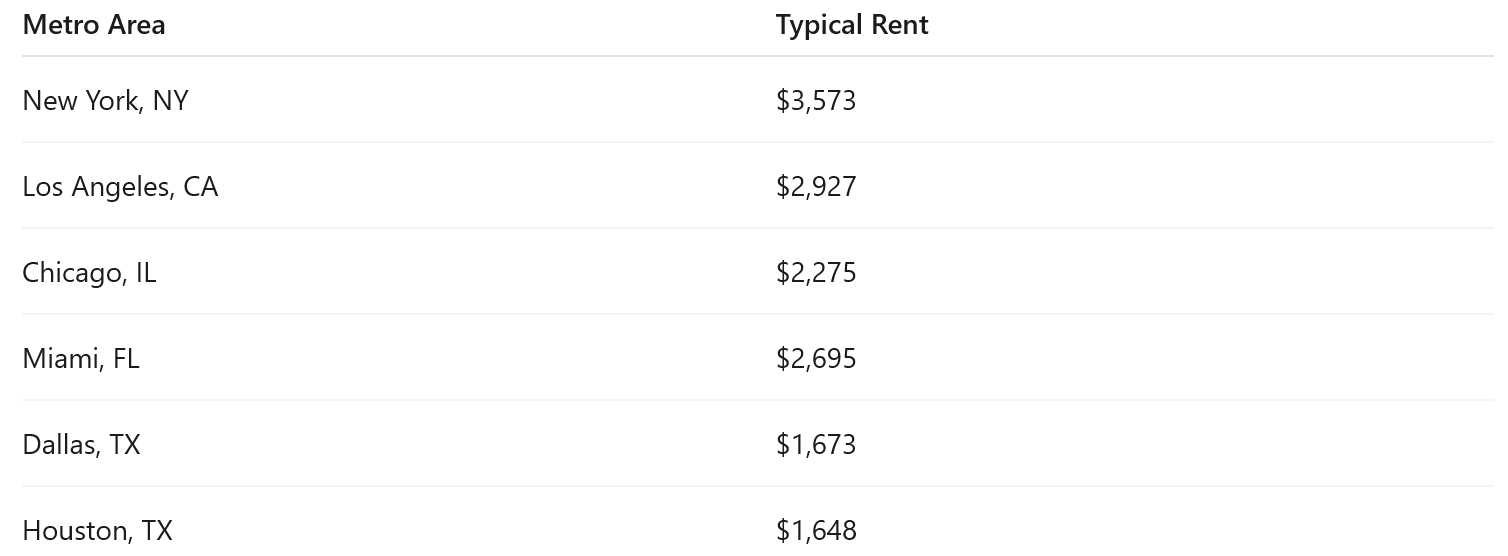
These numbers are only a general reference. Actual rent depends on location, bedroom count, building age, amenities, and lease timing.
Frequently Asked Questions about Apartment Rentals
What are the upfront costs when renting an apartment?
Renters often pay more than the first month’s rent. Common upfront costs include a security deposit, application fee, background check fee, pet fee, parking fee, and utility setup costs.
Before applying, ask the leasing office for the full move-in cost. A low rent may not be the best deal if monthly fees are high.
What should be included in an apartment lease?
A lease should clearly list the rent amount, due date, lease term, deposit, late fees, utility rules, pet policy, parking rules, maintenance process, and move-out requirements.
Before signing, make sure every promise is written in the lease or an official document.
How can I find an apartment in the US?
Use several search methods at the same time. Check apartment websites, property management sites, local listings, and building websites.
Useful searches include:
apartments for rent near me
one bedroom apartments near me
pet friendly apartments near me
apartments with utilities included
short term apartments near me
apartments with parking near me
affordable apartments in my city
move in specials apartments near me
Calling the leasing office directly can help confirm current rent, availability, fees, and application rules.
What are the common rules in an apartment complex?
Apartment communities may have rules for quiet hours, parking, pets, guests, smoking, trash pickup, package rooms, gyms, pools, and maintenance requests.
Before renting, ask about the rules that matter most to your lifestyle, especially pets, parking, noise, and guest policies.
What should I do if there are maintenance issues?
Report maintenance problems as soon as possible. Use the property’s online portal, email, phone number, or written notice system.
Before moving in, take photos of existing damage. This can help protect your deposit when you move out.
Is it better to rent from a large apartment community or a private landlord?
Large apartment communities may offer professional management, online payments, maintenance staff, and amenities. Private landlords may offer more flexible communication or fewer fees.
Either option can work. Always verify the landlord or property manager, read the lease, inspect the unit, and avoid sending money before confirming the listing is real.
Conclusion
Renting an apartment in the United States is not only about finding the lowest monthly rent. A smart renter compares total move-in cost, monthly fees, lease terms, utilities, commute time, neighborhood fit, and management quality.
Whether you are looking for a one-bedroom apartment, pet-friendly rental, affordable apartment, or move-in special, staying organized can help you choose a rental that fits your budget.
Recommendations
Research the neighborhood before applying.
Compare total monthly cost, not just base rent.
Tour the apartment before signing if possible.
Check for water damage, pests, broken appliances, weak locks, and poor lighting.
Read the lease carefully before paying.
Ask about move-in specials and what the rent becomes after the promotion ends.
Save applications, receipts, emails, photos, lease documents, and maintenance records.
Avoid suspicious listings that ask for money before showing the unit or verifying the property.